NQ Futures Overnight Gap Trading Strategy 2026: A Risk-Managed 2026 Guide for Retail Traders
How to trade NQ futures overnight gaps without blowing up your account. Setup logic, entry rules, risk management, and common failures.
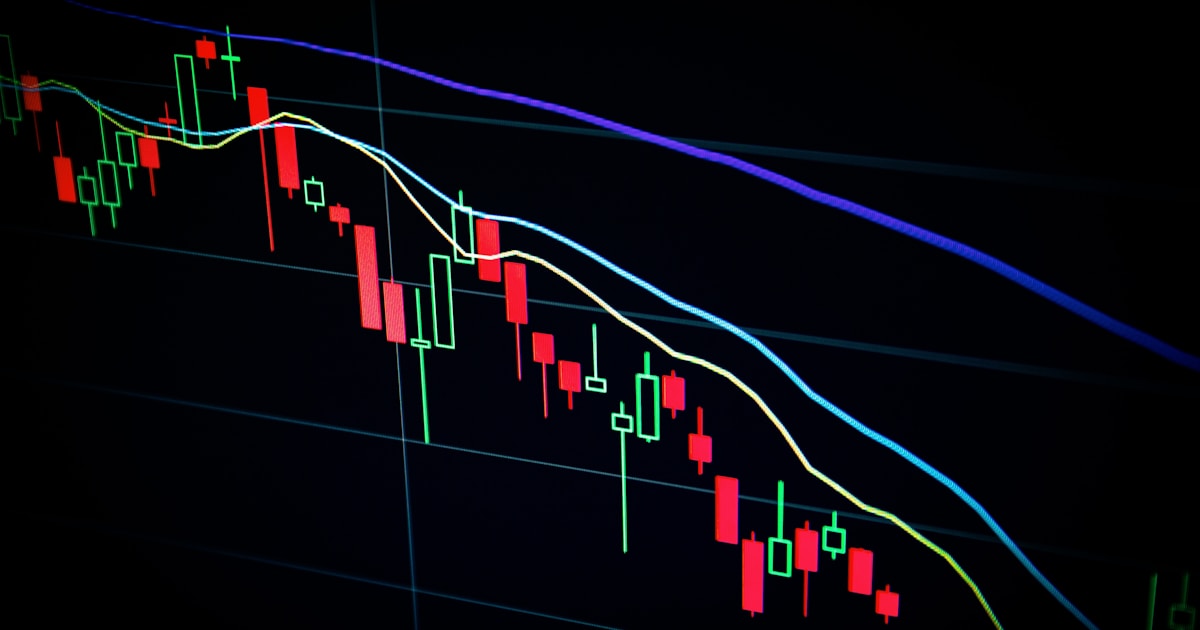
NQ Futures Overnight Gap Trading Strategy 2026: A Risk-Managed 2026 Guide for Retail Traders
Gap trading is seductive. NQ futures gap 30 points overnight, you jump in, and—either you win fast or you learn humility the hard way. Most retail traders blow up on gap trades because they chase without structure.
This isn’t another “get rich on gaps” article. It’s a framework for trading NQ overnight gaps with defined risk, clear rules, and respect for when the setup fails.
Market Context and Assumptions
NQ Futures: Nasdaq-100 E-mini futures. One point equals $20 per contract. Typical daily range: 150-300 points. Gap size matters: 10-point gaps are noise, 40+ gaps are meaningful.
Overnight Session: 4:15 PM ET (regular close) to 9:30 AM ET (regular open). This 17-hour window produces most of the gap action.
Core Assumption: Gaps reflect institutional positioning, not retail sentiment. Big players accumulate or distribute overnight; retail chases the opening move.
Reality Check: Gap trading has high volatility and requires tight stops. If you can’t handle 20-point drawdowns mentally, this setup isn’t for you.
Core Setup Logic
Gap Types We Trade
Full Gaps (90%+ fill potential):
- Overnight range entirely above previous day’s high (gap up) or below previous day’s low (gap down)
- Gap size: 20-40 points (smaller gaps have lower edge, larger gaps have higher risk)
- Pre-market volume: At least 50% of average daily volume by 8:30 AM ET
Partial Gaps (60-70% fill potential):
- Gap size: 10-25 points
- Overnight range overlaps with previous day’s range but breaks key levels
- Volume confirmation in first 30 minutes of pre-market
What We Avoid:
- Gaps under 10 points (noise, not edge)
- Gaps over 60 points (too much risk, often news-driven)
- Low-volume gaps (no institutional participation)
Time-Based Rules
Best Entry Windows:
- 8:00-9:00 AM ET: Pre-market positioning. Smaller size, tighter stops.
- 9:30-10:00 AM ET: Opening range. Volatility peaks, edge decreases.
- After 10:30 AM ET: Most gap fills happen here. Lower risk, but patience required.
Avoid Entry:
- First 5 minutes of regular session (9:30-9:35): Unpredictable volatility
- Last 30 minutes of overnight session (4:15-4:45 AM ET): Thin liquidity
Entry and Exit Conditions
Gap Up Trades (Long on Fill of Gap)
Setup:
- NQ closes at 18,000 on Day 1
- Overnight session opens at 18,030 and ranges to 18,040
- Gap = 30 points (previous high 18,025, current low 18,030)
Entry Rules:
- Aggressive: Buy when price touches 18,025 (previous day’s high)
- Conservative: Wait for rejection of 18,025, then enter on pullback
- Best entry: Price breaks through 18,025, pulls back, holds, then resumes higher
Stop Loss:
- Conservative: 10 points below entry (for 30-point gap)
- Aggressive: 5-7 points below entry (higher win rate, more whipsaws)
- Hard rule: Never risk more than 2% of account on single trade
Take Profit:
- TP1: 50% of gap size (15 points for 30-point gap)
- TP2: 75% of gap size (22.5 points)
- TP3: Gap fill (30 points)
- Trail stop after TP1: Move to breakeven
Gap Down Trades (Short on Fill of Gap)
Setup:
- NQ closes at 18,000 on Day 1
- Overnight session opens at 17,970 and ranges to 17,960
- Gap = 30 points (previous low 17,975, current high 17,970)
Entry Rules:
- Aggressive: Short when price touches 17,975 (previous day’s low)
- Conservative: Wait for rejection of 17,975, then enter on pullback
- Best entry: Price breaks through 17,975, rallies, holds below, then resumes lower
Stop Loss:
- Conservative: 10 points above entry
- Aggressive: 5-7 points above entry
Take Profit:
- Same logic as gap up (50%, 75%, 100% of gap)
- Gap fills happen faster on downside (fear > greed)
Failed Gap Trades (Fade the Gap)
When:
- Price attempts gap fill but gets rejected at previous day’s high/low
- Volume spikes on rejection
- Multiple failed attempts (3+ touches of the level)
Setup: Gap up that fails to fill becomes a short. Gap down that fails becomes a long.
Entry: Enter on break of the rejection swing (for gap up failure: short when price breaks below the pullback low)
Stop Loss: Above the rejection swing high Take Profit: 1.5x the gap size in the failure direction
Risk Management Rules
Position Sizing
Conservative Traders:
- 1 contract per $20,000 account
- 20-point stop = 0.5% risk per trade
- Gap trades: 2-3 trades max per day
Aggressive Traders:
- 1 contract per $10,000 account
- 10-point stop = 1% risk per trade
- Higher variance, more stress
Golden Rule: Never risk more than 2% on any single trade. Gap trades are high-variance; position size is your survival tool.
Daily Loss Limits
Hard Stop:
- 3 losers in a row → Stop trading for the day
- $500 loss (on $10k account) → Stop trading
- Emotional state: If you feel revenge trading, stop
Correlation Risk
Avoid:
- Trading ES (S&P 500) gap and NQ gap simultaneously on same side
- Trading multiple correlated setups after recent losses
- Gap trading during earnings season (high news risk)
Common Failure Modes
Failure 1: Chasing the Opening Move
What Happens: Price gaps up 40 points, you buy the breakout, price reverses and hits your stop.
Why It Fails: Opening move is often institutional distribution. Retail buys, smart money sells.
Fix: Wait for pullback. Let the opening volatility settle. If gap fill is real, price will give you a second chance.
Failure 2: Ignoring Volume
What Happens: Gap looks perfect but volume is 20% of normal. You enter, price stalls, then reverses.
Why It Fails: Low volume means no institutional conviction. Gap might close on nothing.
Fix: Require minimum volume threshold. If pre-market volume is below 50% of average, skip the trade.
Failure 3: Moving Stops Mid-Trade
What Happens: You’re losing 8 points, move stop from 10 to 20 “to give room,” price hits 20, you lose 2x original risk.
Why It Fails: Moving stops wider when losing is emotional trading, not strategy.
Fix: Plan stops before entry. Never widen stops when losing. Only trail stops when profitable.
Failure 4: Trading Every Gap
What Happens: You see a gap and force a trade. Some setups suck but you trade anyway.
Why It Fails: Selectivity is an edge. Trading low-quality setups kills your overall win rate.
Fix: Have a strict checklist. Every box must be checked before entry.
Failure 5: Revenge Trading After Losses
What Happens: You lose 2 gap trades in a row, take a third “to make it back,” lose again.
Why It Fails: Revenge trading compounds losses. Your best trading happens when calm.
Fix: Daily loss limits. Stop trading after 3 losses or -$500. The market will be there tomorrow.
Backtesting and Validation
Minimum Backtest Requirements
Data:
- At least 2 years of NQ futures data
- Include overnight session data
- Mark gap size, fill success, and time to fill
Metrics to Track:
- Win rate by gap size (10-20p, 20-40p, 40+)
- Win rate by day of week (Mondays have different dynamics)
- Average time to fill (some gaps fill in 30 min, some take 3 hours)
- Maximum drawdown streak
Paper Trading Before Live:
- 20 minimum gap trades on simulator
- Execute with real entry rules, real stops
- Track emotions on each trade (did you hesitate? did you chase?)
What Backtesting Reveals
Typical Edge:
- 55-60% win rate on qualified gaps (with strict filters)
- 40%+ win rate on unfiltered gaps (why most traders fail)
- Downside gap fills happen faster than upside
- Mondays have slightly lower win rates (weekend positioning)
Reality Check:
- Edge exists but it’s thin
- Execution matters more than setup selection
- Psychology kills more accounts than bad setups
Conclusion
NQ futures overnight gap trading works, but only when you respect the risk. Gap of 40 points isn’t opportunity—it’s a loaded gun. Aim properly, and it’s profitable. Aim randomly, and you’re just another statistic.
Before Live Trading:
- Paper-test this framework on 20 gap trades
- Track every metric: entry type, stop size, result, emotion
- Refine rules based on your data, not someone else’s
- Start small: 1 contract, tight stops, conservative entry
After You Go Live:
- Keep a detailed journal
- Review losing trades weekly
- Adjust rules only after 30+ trades
- Respect daily loss limits
Gap trading isn’t about getting rich. It’s about extracting edge from a repeatable pattern while managing the downside. The market doesn’t owe you anything—but it will reward consistency and discipline.
FAQ
Is NQ futures overnight gap trading strategy suitable for retail traders?
Yes, but only with strict risk management. Retail traders who respect position sizing, daily loss limits, and entry rules can profit. Those who chase every gap without structure blow up. This setup has higher variance than trend-following strategies; it requires psychological resilience.
What indicators are commonly paired with NQ futures overnight gap trading strategy?
Volume profile, VWAP (value weighted average price), and overnight range levels are the primary tools. Some traders use RSI for overbought/oversold confirmation on pullbacks, but price action (level rejection, swing breaks) is more reliable than oscillators for gap trades.
How should traders manage risk with NQ futures overnight gap trading strategy?
Never risk more than 2% per trade. Use gap size to inform stop placement (10-15 points for 30-point gaps). Set daily loss limits: 3 losers or $500 loss = stop trading. Avoid correlated positions (don’t trade ES and NQ gaps simultaneously on same side). Position size is your survival tool.
What are common mistakes when using NQ futures overnight gap trading strategy?
Chasing the opening move (let volatility settle first), ignoring volume (low volume = no conviction), moving stops mid-trade when losing, trading every gap (selectivity is an edge), and revenge trading after losses (use daily loss limits). Psychology kills more gap traders than bad setups.
Educational Disclaimer: This content is for educational purposes only. Futures trading involves substantial risk and is not suitable for every investor. Past performance is not indicative of future results. Only trade with money you can afford to lose. Consider consulting a financial advisor before trading futures.